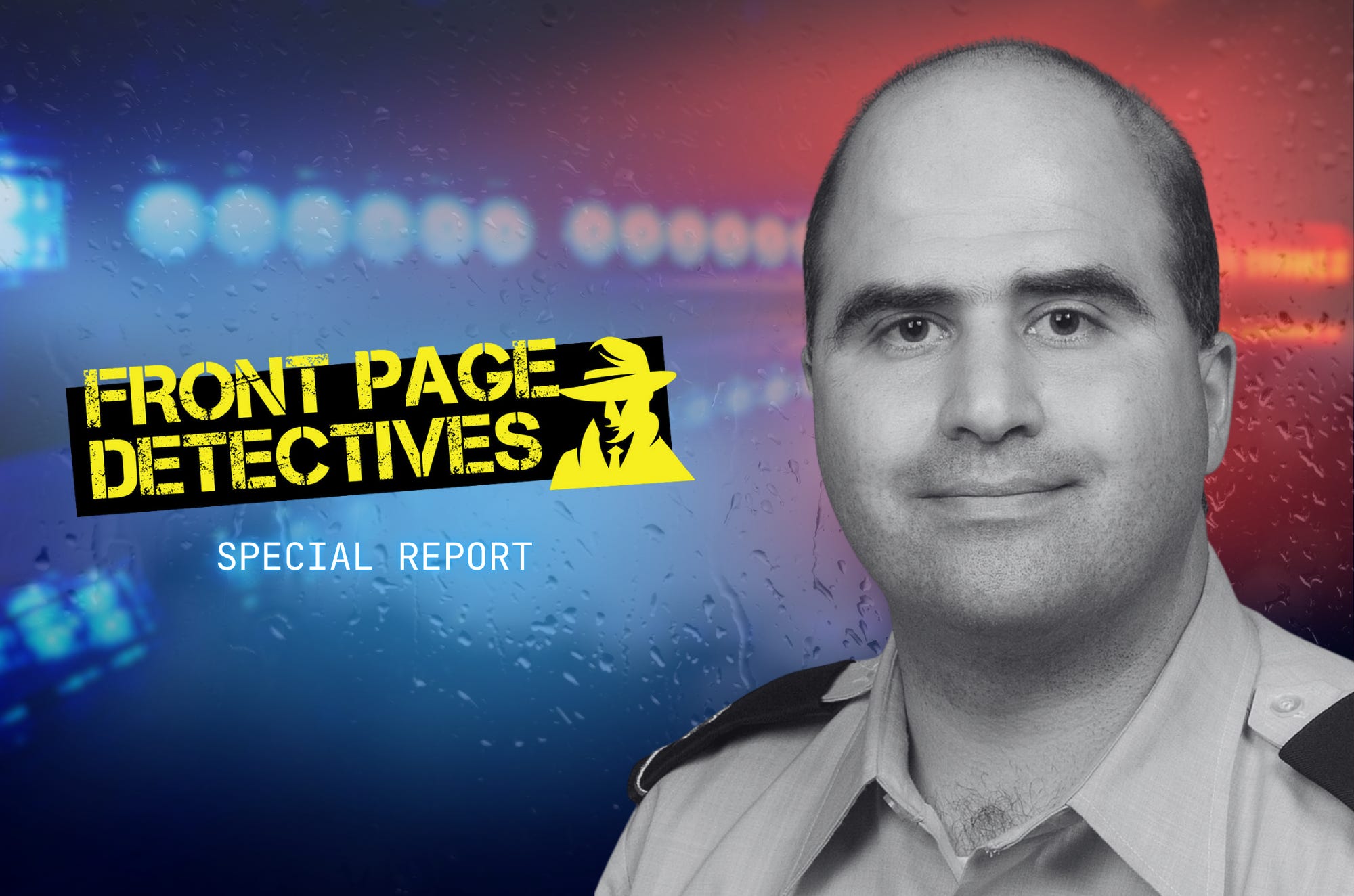
The most dangerous man at Fort Hood on November 5, 2009, was not an enemy soldier, an infiltrator or a terrorist who had breached the perimeter. He was an Army major with a medical degree, a military psychiatrist trained at one of America’s most prestigious military hospitals. His job was to help soldiers deal with the psychological consequences of war. Instead, he walked into a building filled with his colleagues and opened fire.
Thirteen people died. Dozens of lives were permanently altered. The gunman survived, leaving the military to confront questions far more difficult than identifying the killer. How had a trusted officer reached such a point? What had happened behind the closed doors of Army hospitals and federal investigative offices? And how much of the catastrophe had been preventable?
For years, the massacre remained a source of anger among survivors who believed the institutions responsible for protecting them had failed twice. First, they had failed to stop the killing. Then came a prolonged struggle over recognition, responsibility and the treatment of those left behind. The gunman, Nidal Hasan, meanwhile, sat on military death row, having made little effort to defend his actions and showing no meaningful remorse.
Now, nearly 17 years after the massacre, the Trump administration has decided his final punishment should become a public event. Hasan faces execution by firing squad at Fort Hood, with the Pentagon preparing to broadcast his death to an international audience. The announcement has provoked condemnation from political leaders, legal scholars and human rights organizations, reopening arguments over punishment, cruelty and the limits of government power.
The Army once entrusted Hasan with the lives of its soldiers. It now proposes to make his death available to anyone with an internet connection. Between those two decisions lies one of the most disturbing cases in modern American military history, and a reckoning still far from finished.