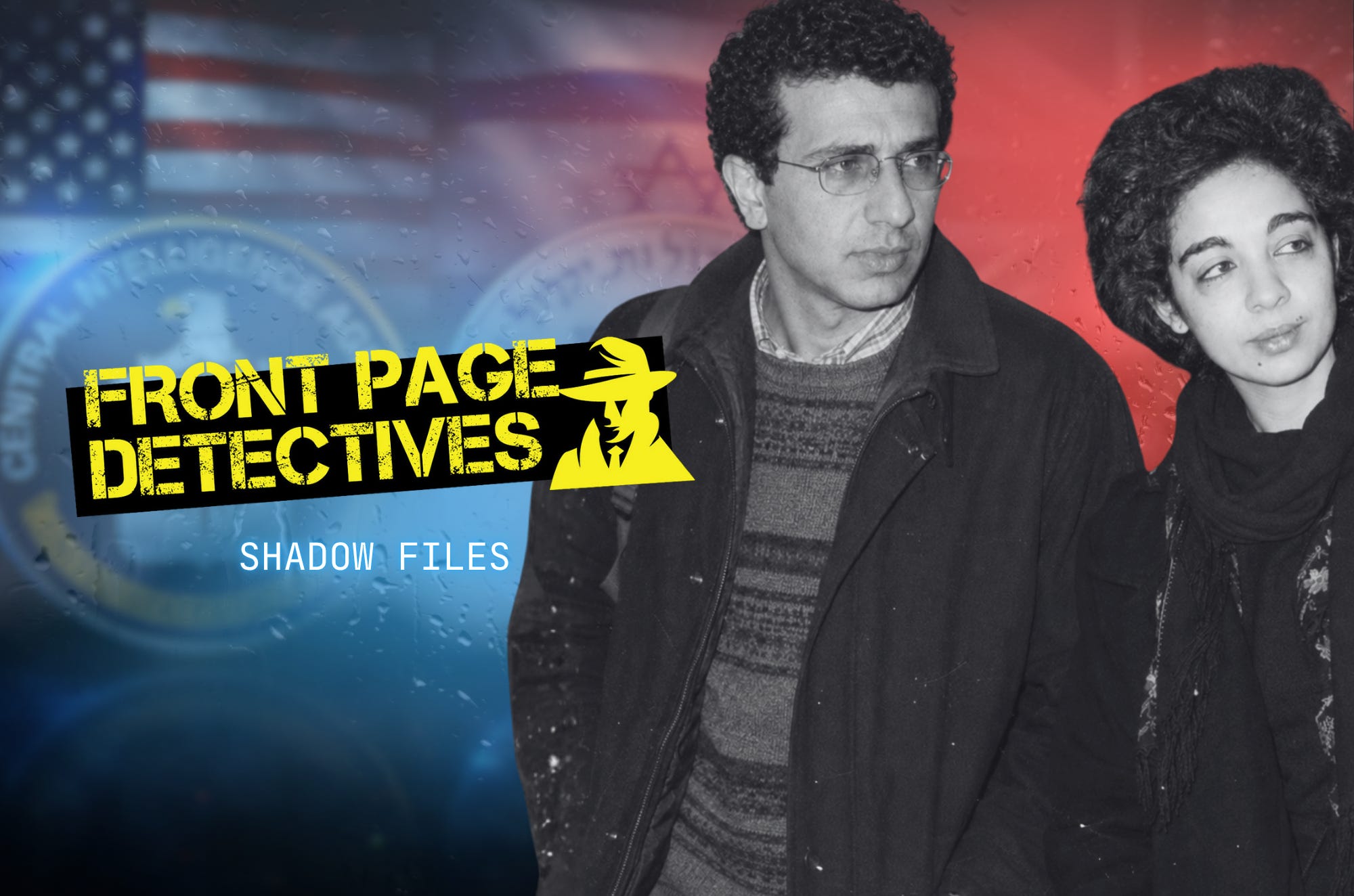
London had seen car bombs before. What made these two different was what remained unexplained after the smoke cleared.
On July 26, 1994, a car packed with explosives detonated outside the Israeli Embassy in one of the wealthiest parts of the British capital. Thirteen hours later, another car bomb exploded outside Balfour House, home to several organizations connected to Israel and the Zionist movement. Around 20 people were injured. By the following morning, London had what appeared to be a coordinated terrorist attack, an unknown Palestinian group had claimed responsibility and investigators had begun hunting the people who brought the bombs into the city.
More than three decades later, Britain still cannot publicly name them.
The woman seen abandoning the first bomb car was never found. The person who delivered the second was never identified. Investigators never established where either device was assembled. The explosive used outside the embassy was never conclusively identified. Yet two Palestinian activists, Jawad Botmeh and Samar Alami, were convicted of conspiring in the attacks and sentenced to 20 years in prison, despite neither being accused of driving the cars, planting the bombs or being present when they exploded.
Their case was strange enough before the secrets began emerging.
There was intelligence about a possible attack before the embassy was bombed. Evidence was withheld from the defense in the name of national security. A mysterious Palestinian linked by Botmeh and Alami to explosives and one of the bomb cars vanished. Questions arose over what happened inside the Israeli Embassy after the blast and what British investigators were permitted to know. Years later, former officers of MI5, Britain’s domestic intelligence service, began describing an internal story of the bombing dramatically different from the one presented to the jury.
Their allegations turn an unresolved terrorism investigation into something far more disturbing.
Botmeh and Alami have always maintained that they were maneuvered into a conspiracy they did not understand, surrounded by explosives, suspicious vehicles and a man who disappeared when police began making arrests. A British jury rejected that account. Their convictions survived appeals in Britain and at the European Court of Human Rights.
But the central problem never went away.
Britain imprisoned two people for conspiring to bomb London.
It never established who actually brought the bombs.London had seen car bombs before. What made these two different was what remained unexplained after the smoke cleared.
On July 26, 1994, a car packed with explosives detonated outside the Israeli Embassy in one of the wealthiest parts of the British capital. Thirteen hours later, another car bomb exploded outside Balfour House, home to several organizations connected to Israel and the Zionist movement. Around 20 people were injured. By the following morning, London had what appeared to be a coordinated terrorist attack, an unknown Palestinian group had claimed responsibility and investigators had begun hunting the people who brought the bombs into the city.
More than three decades later, Britain still cannot publicly name them.
The woman seen abandoning the first bomb car was never found. The person who delivered the second was never identified. Investigators never established where either device was assembled. The explosive used outside the embassy was never conclusively identified. Yet two Palestinian activists, Jawad Botmeh and Samar Alami, were convicted of conspiring in the attacks and sentenced to 20 years in prison, despite neither being accused of driving the cars, planting the bombs or being present when they exploded.
Their case was strange enough before the secrets began emerging.
There was intelligence about a possible attack before the embassy was bombed. Evidence was withheld from the defense in the name of national security. A mysterious Palestinian linked by Botmeh and Alami to explosives and one of the bomb cars vanished. Questions arose over what happened inside the Israeli Embassy after the blast and what British investigators were permitted to know. Years later, former officers of MI5, Britain’s domestic intelligence service, began describing an internal story of the bombing dramatically different from the one presented to the jury.
Their allegations turn an unresolved terrorism investigation into something far more disturbing.
Botmeh and Alami have always maintained that they were maneuvered into a conspiracy they did not understand, surrounded by explosives, suspicious vehicles and a man who disappeared when police began making arrests. A British jury rejected that account. Their convictions survived appeals in Britain and at the European Court of Human Rights.
But the central problem never went away.
Britain imprisoned two people for conspiring to bomb London.
It never established who actually brought the bombs.