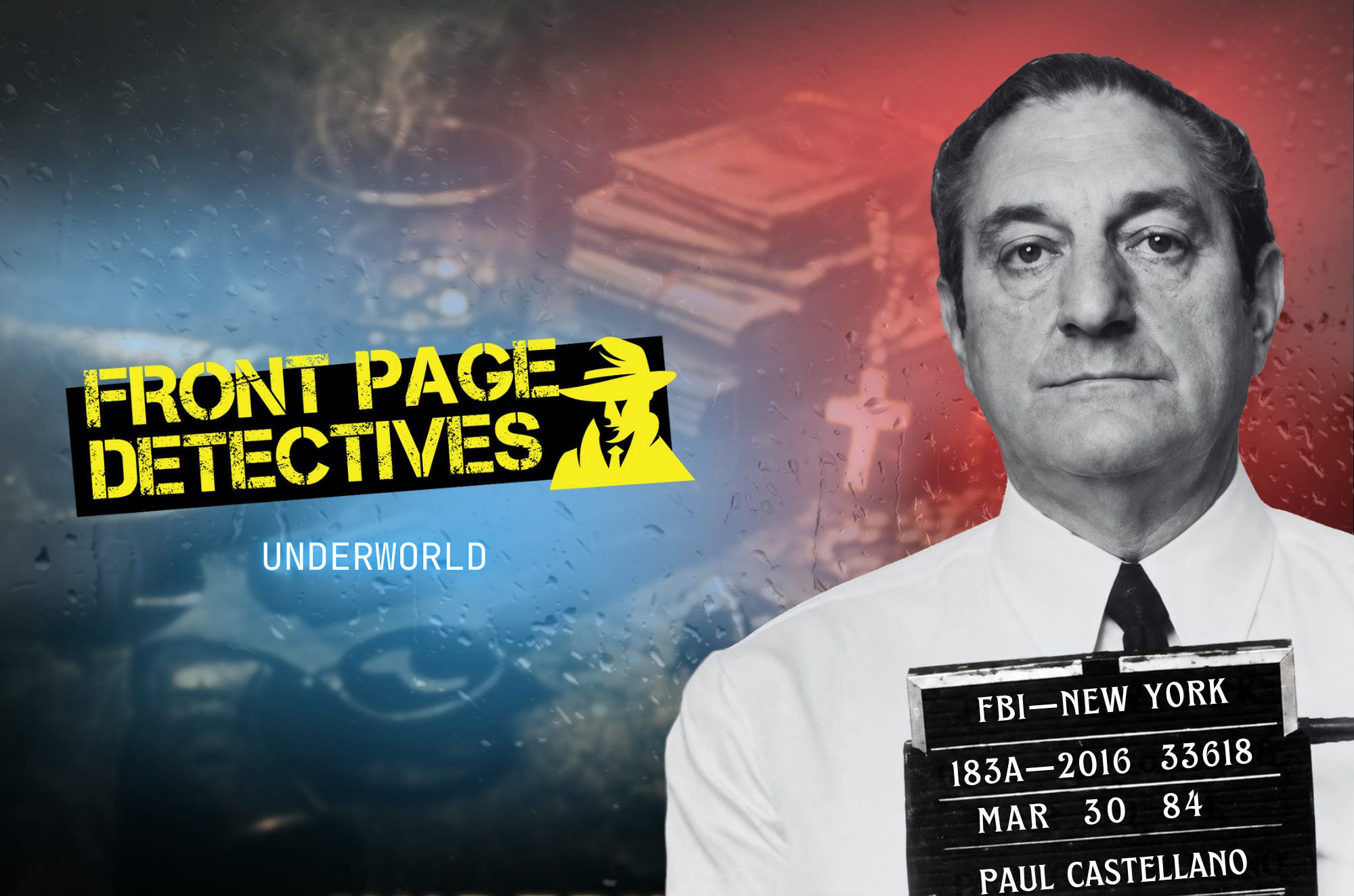
By the early 1980s, New York’s Mafia bosses had good reason to believe the system worked.
They did not need to collect debts, threaten contractors or pull triggers themselves. Soldiers and associates handled the crimes. Capos carried orders between the street and the administration. Underbosses filtered access to the men at the top. The money kept moving upward while criminal exposure stayed farther down the chain.
For decades, prosecutors struggled with the same problem. They arrested bookmakers, loan sharks, union fixers, hijackers and killers. They won convictions against individual mobsters. The Five Families absorbed the losses and kept operating. Removing a soldier rarely threatened a family. Even the imprisonment of a senior figure created an opening for another man to take his place.
Federal prosecutors began looking for a way to attack the structure instead of the men working at its edges.
The answer led them above the Five Families themselves.
New York’s Mafia had a governing body known as the Commission. Bosses used it to settle disputes, recognize leadership, divide territory and deal with business involving more than one family. The arrangement had helped prevent the kind of internal wars that once left bodies across New York. It also meant the most powerful men in organized crime were tied to a common institution.
For prosecutors, the problem was proving what happened inside it.
The men involved did not keep minutes. They did not file corporate reports describing extortion schemes or record votes authorizing murders. The Commission existed inside a culture built around secrecy, hierarchy and the expectation that senior leaders remained insulated from the crimes committed in their interests.
Then federal investigators began getting inside the rooms, cars and clubs where those protections disappeared.
Conversations started reaching tape recorders. Construction deals exposed relationships between families. Union power, extortion payments and disputes over money began forming a picture larger than any single crew or criminal act. Prosecutors were no longer looking at five separate organizations operating beside one another.
They were building a case against the men who governed them.
What followed became one of the defining organized crime prosecutions in American history. The government would have to prove the Mafia’s ruling body existed, show how it operated and convince one jury to hold leaders from different families responsible for crimes committed through a shared enterprise.
For the first time, the hierarchy built to protect New York’s Mafia bosses was about to become the case against them.