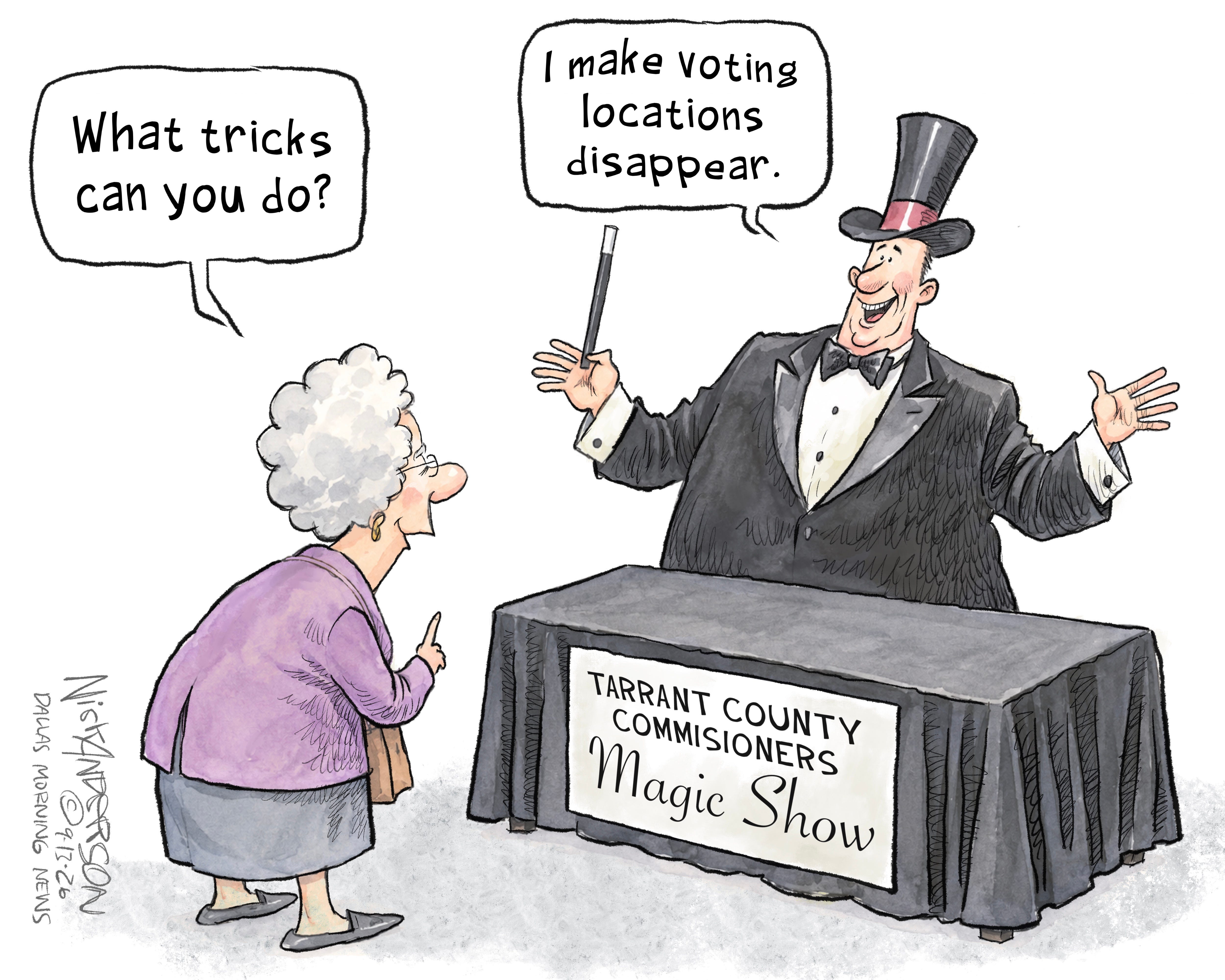
Tarrant County, Texas, is heading into the November midterms with 92 fewer Election Day polling places than it had in 2022, after county commissioners approved the reduction on a 3–2 party-line vote. The county will have 224 Election Day sites, down from 316, while early-voting locations decline slightly from 50 to 47. More than 1.3 million people are registered to vote in the county.
The decision is especially contentious because of Tarrant County’s changing politics. Once a reliable Republican stronghold, it has become more competitive, with Democrats making gains in recent elections. Voting-rights groups and Democratic officials argue that reducing polling places could make voting more difficult, particularly for minority communities and college students. Critics specifically fought unsuccessfully to preserve a polling location at the University of Texas at Arlington and pointed to predominantly Black and brown neighborhoods that would lose sites.
County election administrator Clint Ludwig argues that the new map is based on where voters have actually cast ballots in previous elections and whether facilities meet operational and accessibility requirements. He said some former locations were unavailable or couldn’t meet statutory requirements and maintains that the remaining sites provide adequate opportunity to vote. Republican commissioners defended the plan, while some supporters also cited taxpayer savings and the availability of early voting.
The political context makes the dispute difficult to separate from partisan concerns. Republican commissioners approved the cuts while Democratic commissioners opposed them, and attempts to restore additional locations were rejected. Democratic Commissioner Alisa Simmons, who is running against Republican County Judge Tim O’Hare, called the decision political; O’Hare described the final map as a “sensible plan.” The Fort Worth City Council had previously voted unanimously to urge the county not to reduce polling locations.
The larger issue isn’t whether Tarrant County voters can still vote—they can, including during nearly two weeks of early voting—but whether substantially reducing Election Day locations creates additional friction: longer travel, unfamiliar polling places, congestion or lines. With Election Day sites reduced by about 29% from 2022, the practical effect will depend on turnout and how effectively the remaining 224 locations absorb voters.