News
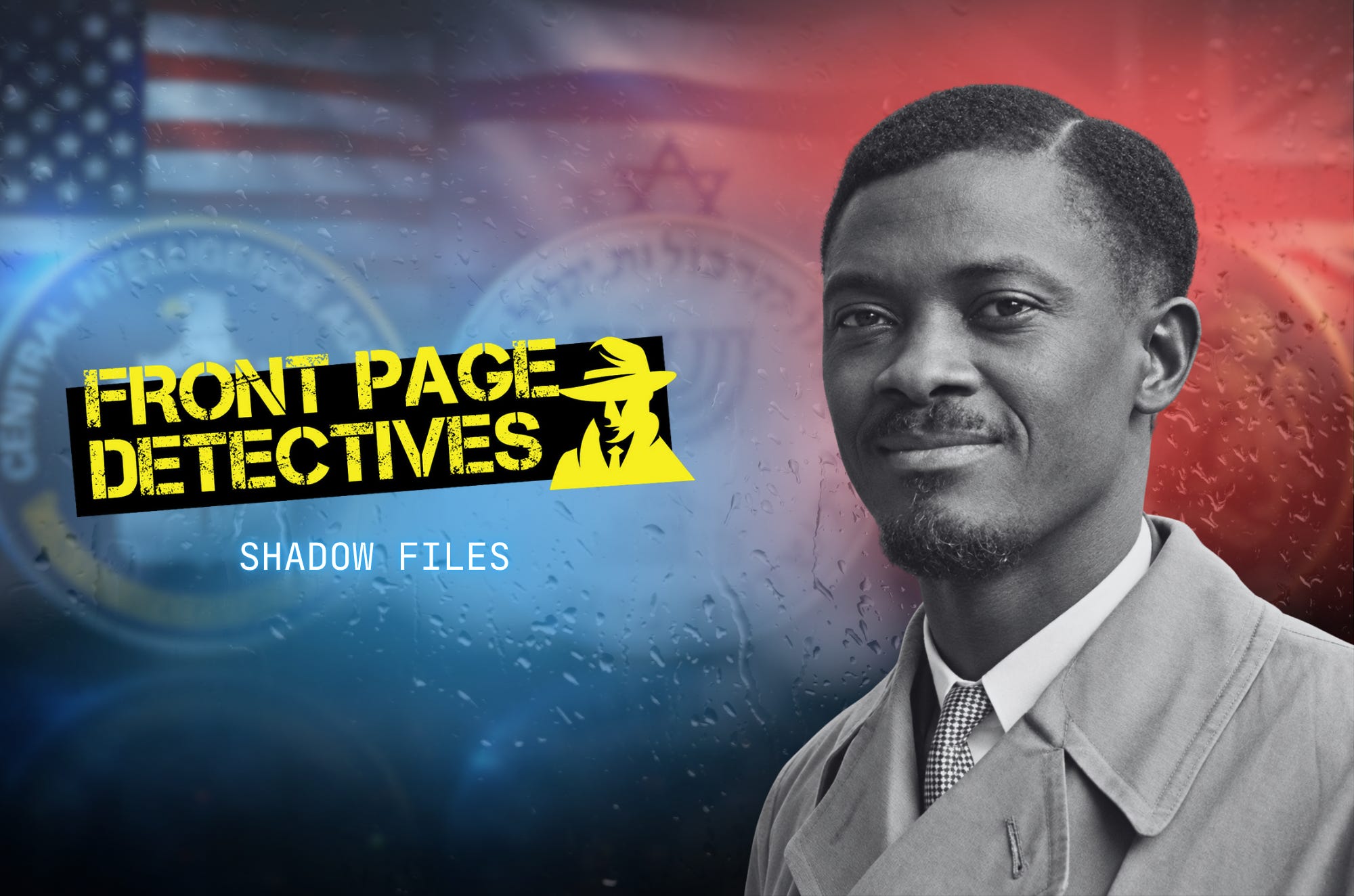
The Murder of Patrice Lumumba: The CIA, Belgium and Congo’s Stolen Independence
Michael East · Front Page Detectives
Oct 20, 2026 · 1 min listen · Last updated October 20, 2026
On June 30, 1960, Belgium’s king stood before the leaders of an independent Congo and praised the colonial enterprise his country had imposed upon them. Patrice Lumumba answered with an account of forced labor, racial humiliation and violence. The ceremony marked the transfer of sovereignty.
Listen · Front Page Detectives
The Murder of Patrice Lumumba: The CIA, Belgium and Congo’s Stolen Independence
0:00-1:01
Pick your daily storyteller
Subscribe to match with Theo, Jessica, Chloe, Mason, Brock — your voice, every brief.
Live · Kokoro-82M