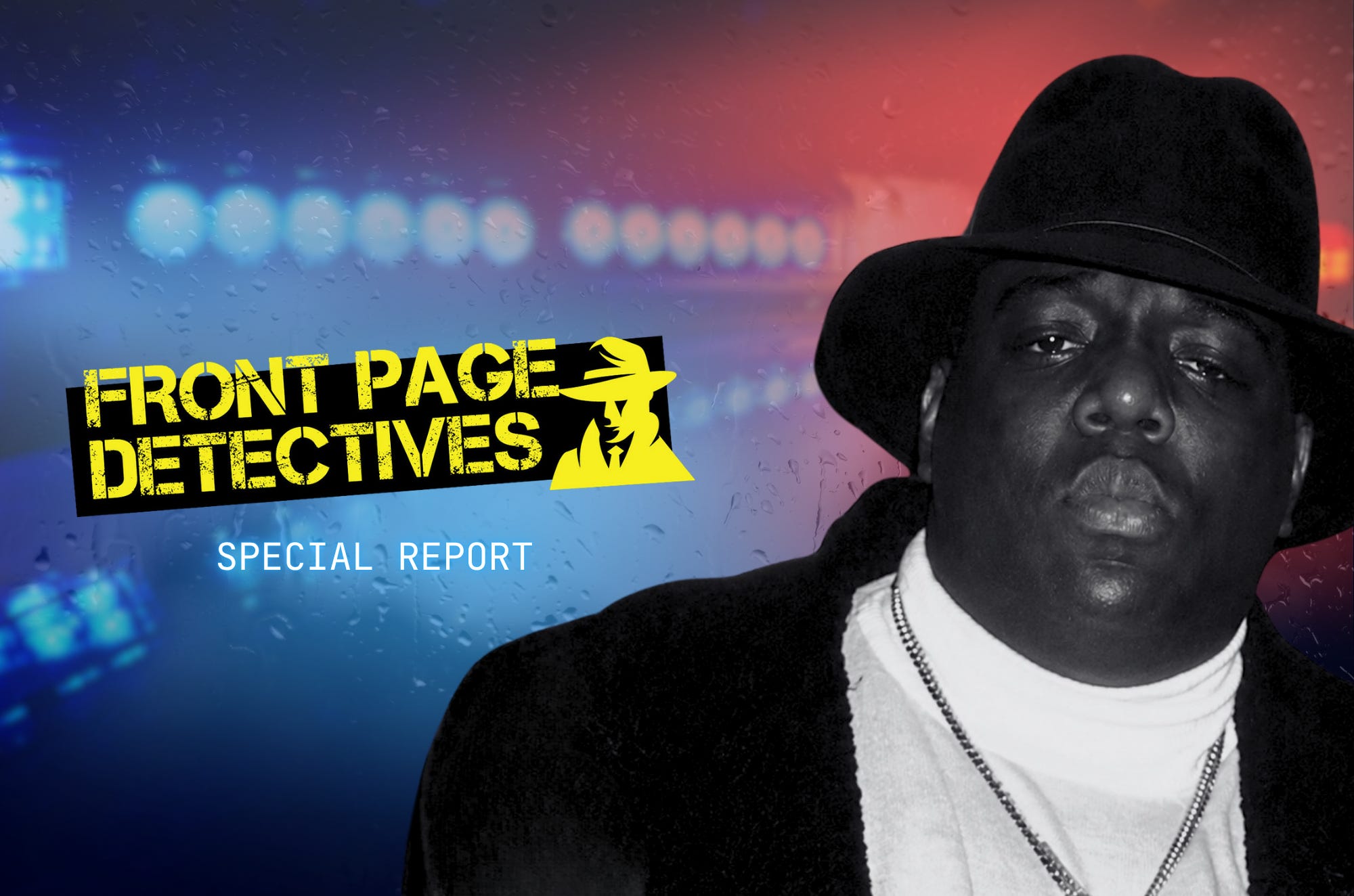
For almost 30 years, the murders of Tupac Shakur and Christopher “The Notorious B.I.G.” Wallace existed together in a strange corner of American criminal history. They were two of the most famous unsolved killings on the planet, examined in documentaries, books, podcasts, police investigations and countless late-night arguments, yet untouched by the thing that really matters in a murder case: a conviction.
That changed on Monday.
A Las Vegas jury found Duane “Keffe D” Davis guilty of first-degree murder for orchestrating the September 1996 drive-by shooting that killed Tupac. Prosecutors did not accuse Davis of firing the bullets himself. They persuaded jurors that he obtained the gun, helped organize the retaliatory hunt for Shakur and was inside the Cadillac from which the fatal shots were fired. Davis, who plans to appeal, faces a potential life sentence when he is sentenced in October.
The verdict changes something beyond Tupac’s case. It destroys one of the easiest excuses for leaving another notorious hip-hop murder buried in a police archive, that being too much time has passed.
Christopher Wallace was shot dead in Los Angeles six months after Tupac. Nobody has ever been prosecuted for killing him. The FBI investigated, the Los Angeles Police Department repeatedly revisited the case, Wallace’s family took the city to court, detectives developed radically different theories and generations of journalists tried to fill the gaps. Nearly three decades later, Biggie’s murder remains officially unsolved
The strangest part is that Biggie’s case and Tupac’s case were never truly separate. In fact, an attempt to solve Wallace’s murder produced one of the most important breakthroughs in Shakur’s.
Now that Keffe D has finally been convicted, perhaps it is time to return to the murder that helped unlock his secrets.