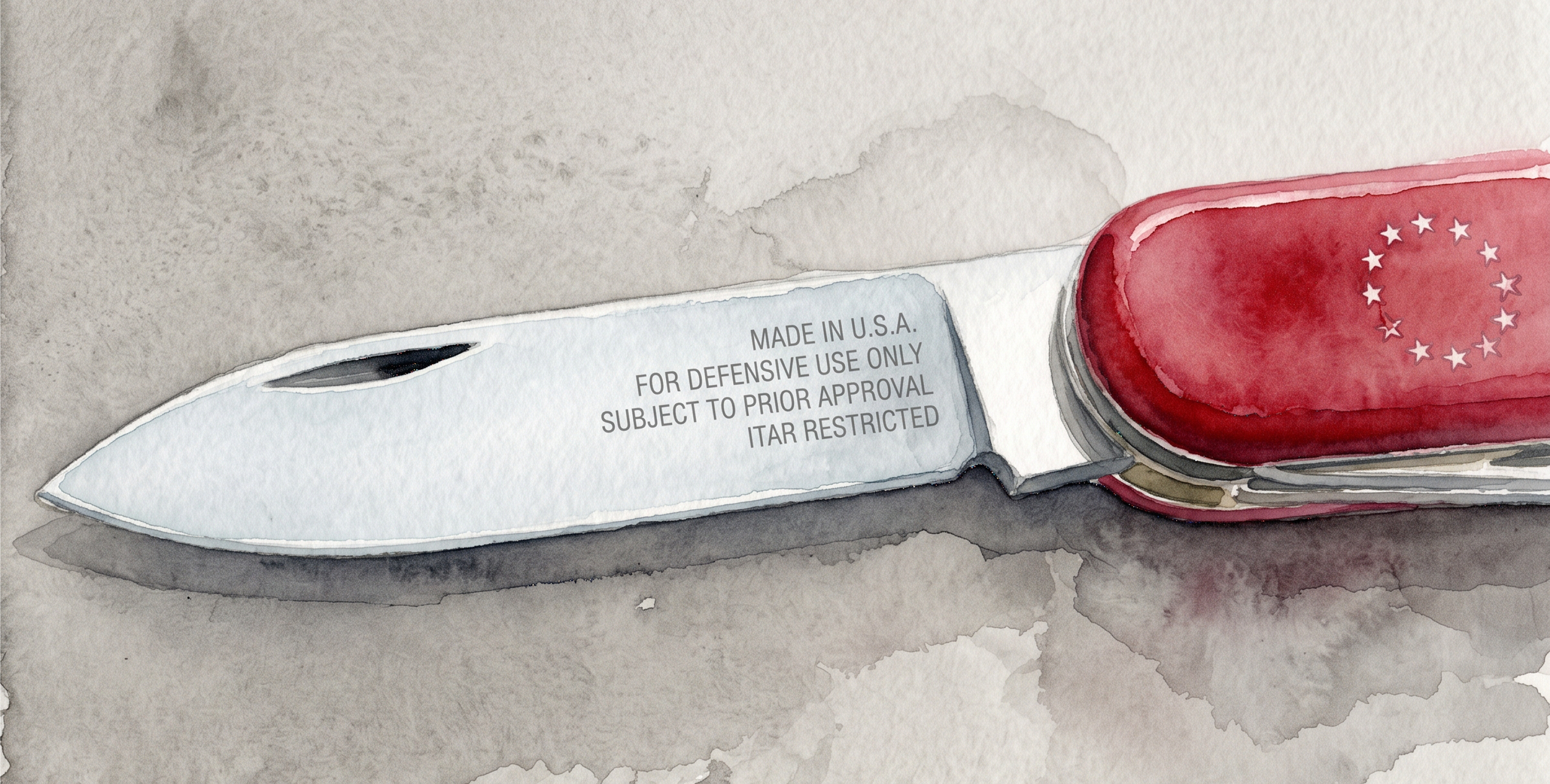
ODESA—For decades, European governments built their budgets around an assumption they rarely put before their voters: whatever else changed, America would remain willing to defend them. That assumption helped finance generous welfare states and made successive rounds of military cuts politically painless. It also left Washington with extraordinary influence over European security. Ukraine, and by extension the European countries supporting Ukraine, are now discovering how readily that influence can be used against a country fighting for its survival.
We publish this newsletter every day at 9:05am NYC time / 4:05pm Kyiv.Your subscription fuels our work.
The reported American threat to suspend intelligence cooperation and PURL weapons deliveries unless Ukraine stopped striking Russian oil refineries exposes the arrangement in its most humiliating form. European governments help finance American weapons for Ukraine, but paying for them does not give Europeans control over their delivery. Washington can threaten to interrupt support that European capitals consider essential and cannot adequately replace.
Russian ballistic missiles reaching Kyiv without advance warning should have concentrated minds in every European capital.
The administration already suspended intelligence cooperation in March 2025. Europe has therefore had more than a hypothetical warning. Yet Ukraine remains exposed to the same pressure, while its European partners remain unable to guarantee continuity.
This is a disgraceful failure by governments with the resources, technical expertise, and time to have made Europe considerably less vulnerable.
American protection began under circumstances that made dependence understandable. Western Europe emerged from the Second World War devastated, with Soviet forces occupying much of the continent. The United States supplied the military strength behind reconstruction and eventually the nuclear guarantee around which Western defense was organized.
Now that Washington is attaching increasingly intrusive conditions to its support, Europeans are discovering how little authority their spending actually purchased.