News
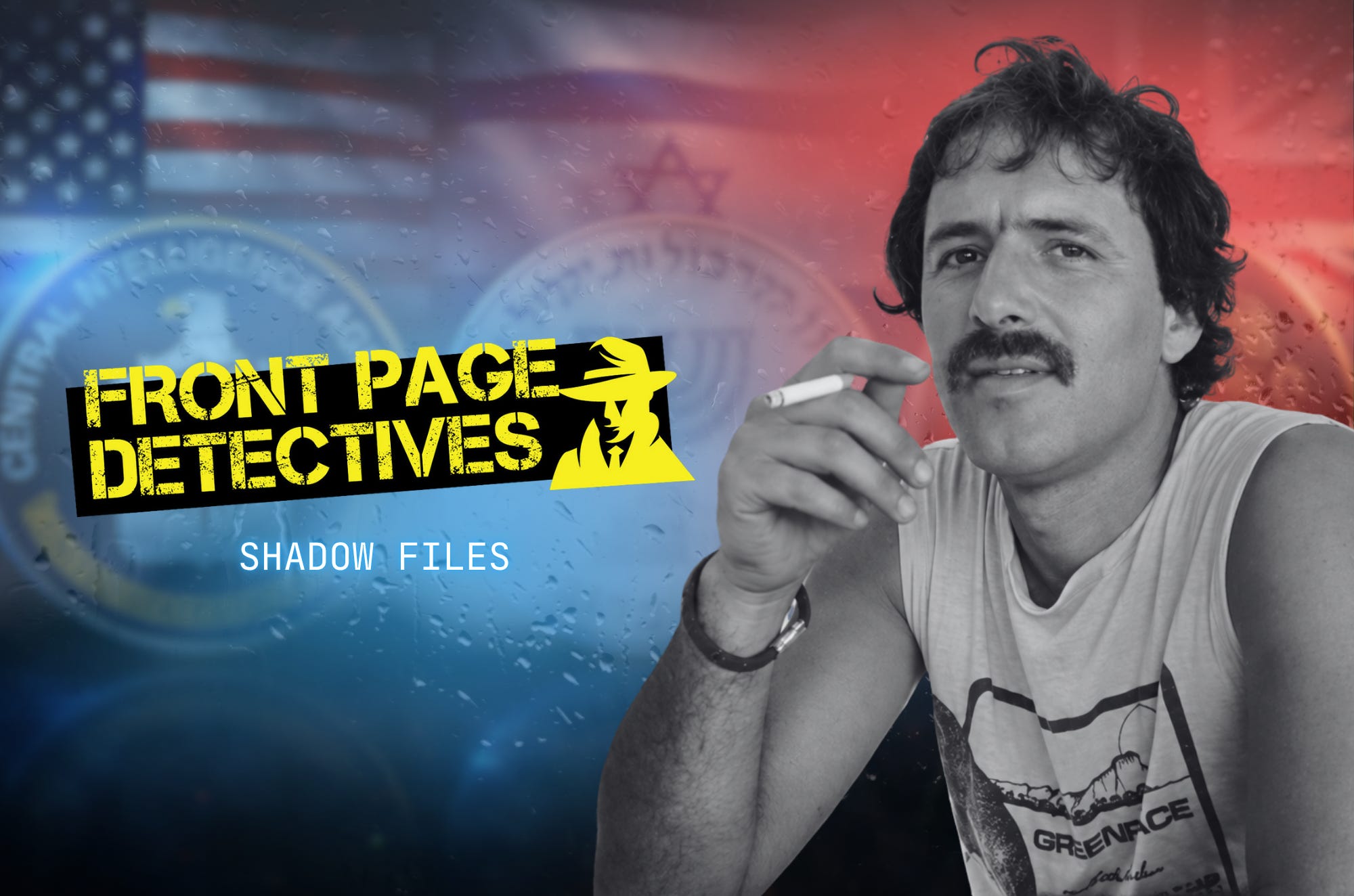
The Rainbow Warrior Bombing: France’s Deadly Attack on Greenpeace
Michael East · Front Page Detectives
Oct 13, 2026 · 1 min listen · Last updated October 13, 2026
Auckland was supposed to be a place to prepare. The Rainbow Warrior arrived on July 7, 1985, with another Pacific voyage ahead. Greenpeace needed supplies, repairs and arrangements for a protest flotilla. The confrontation awaited hundreds of miles away, around the French nuclear testing grounds.
Listen · Front Page Detectives
The Rainbow Warrior Bombing: France’s Deadly Attack on Greenpeace
0:00-0:59
Pick your daily storyteller
Subscribe to match with Theo, Jessica, Chloe, Mason, Brock — your voice, every brief.
Live · Kokoro-82M