Welcome! A 13-year-old girl was 𝕏abducted from a gas station in Alabama on Tuesday. Police found the car using Flock cameras, arrested the kidnapper, and had the girl home in a matter of hours.
🚨 🚨 JUST IN: Judge set to declare mistrial in Lindsay Clancy case after jury deadlocked again - The Guardian
🚨 NEWS: Why Maria Bartiromo was fired from Fox. - 𝕏X
➡️ DRIVING NEWS: Behind Closed Doors, John Fetterman Shows Little Interest in the Work of a Senator - WSJ (free)
🔥 WOW: The city of Seattle is refusing to shut down a sprawling homeless encampment that local reporters describe as a “humanitarian and environmental disaster.” - KOMO & 𝕏X
📈 RECORD: US diesel prices just hit an all-time record. - AP
‼️ NOTABLE: Democrats’ path to a House majority is narrower than it looks - Washington Post (free)
👀 ASTRA: Check out OpenAI’s new model.
🎇 LOL: UMass defeated Rutgers last night, snapping college football’s longest-running losing streak. Rutgers paid UMass $1.5 million to be its week 1 opponent and then accidentally set off 𝕏fireworks after the game was over.
🏈 MUST READ: America Needs Its Boys to Play Football - Ben Sasse at WSJ
👂 The Show Notes is my blueprint for radio but is only for subscribers. You can subscribe and listen here.
The Federal Reserve is increasingly likely to hike interest rates after more than 165K positions were added to the US economy in August, beating analysts' expectations by more than 100,000 positions.
While job growth in prior months was heavily concentrated in healthcare, August defied the norm, with hospitality, education, construction, and manufacturing all making meaningful contributions to the report.
So far in 2026, the economy is averaging more than 80,000 new jobs per month, a big rebound from the roughly 10,000 per month in 2025.
Why does this increase the chance of a rate hike?
August’s stronger-than-expected jobs report significantly increased the odds of a Federal Reserve rate hike in September because it shifted the balance of the Fed’s dual mandate. The Fed is tasked with maintaining both maximum employment and managing inflation, and a resilient labor market reduces concerns about the employment side of that equation. With jobs holding up, policymakers have more room to focus on inflation and can be more comfortable raising rates—or keeping them higher for longer—to cool demand and bring prices under control.
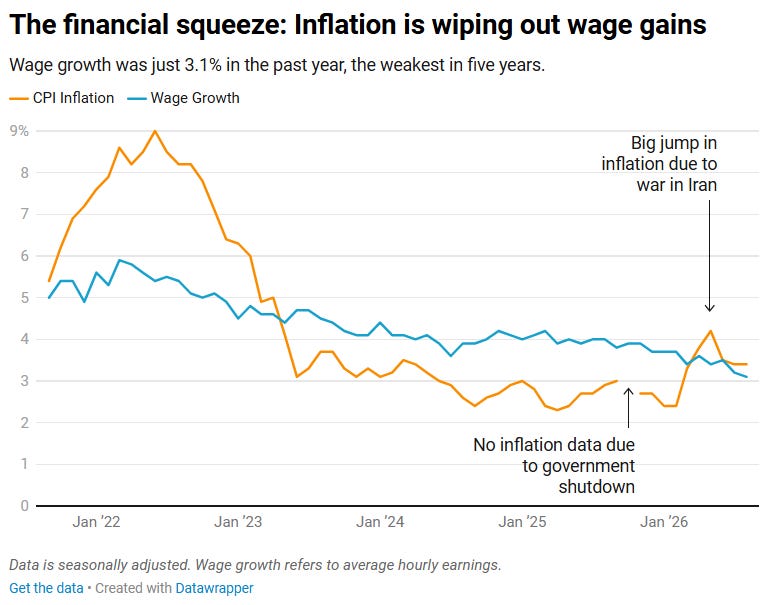
As favorable as the topline number in the jobs report was, wages continue to lag behind inflation.
Despite this, Donald Trump is calling on the Fed to cut interest rates: