This morning I am heading down to Charlottesville, Virginia to deliver the first public talk in support of my new book, * A Glorious Fate: The Life and Legacy of Colonel Robert Gould Shaw*. It’s a city that I know very well having taught history there for eleven years before moving to Boston in 2011. It’s also where my fascination with the Civil War era took shape.
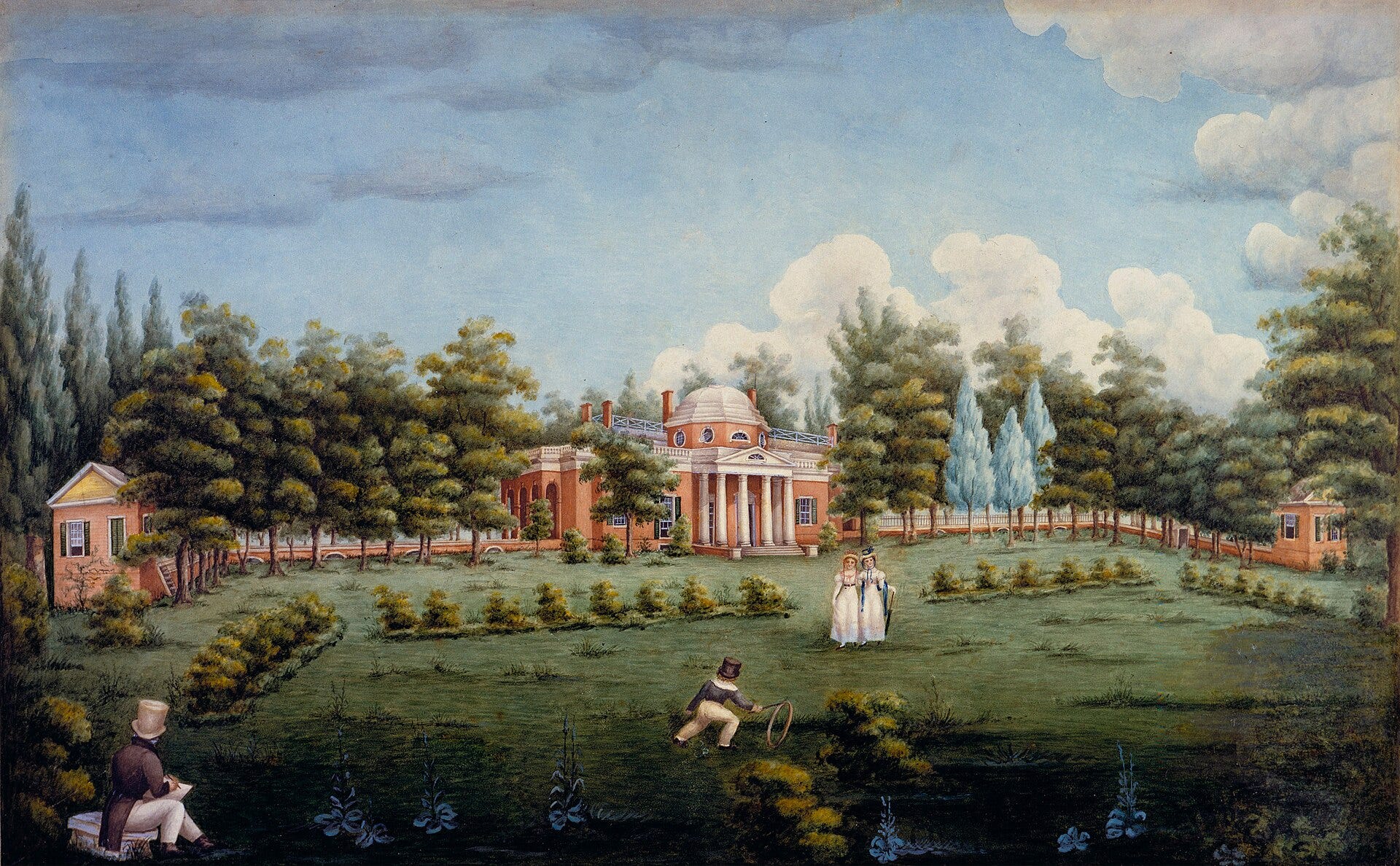
While there is plenty of Civil War history to explore in and around central Virginia, it is Thomas Jefferson, who looms large in local public memory. His mountaintop home of Monticello overlooks the University of Virginia, which he founded and where my talk will talk place on Wednesday evening.
My trip comes on the heels of a new book, which purports to offer definitive DNA proof that Jefferson fathered six of Sally Hemings’s children. Apparently, it is a lock of Jefferson’s hair that has finally unlocked this mystery, but while I welcome any and all new evidence, I am uncomfortable with this framing.
Certainly, there will be plenty of people who embrace this new evidence, but for most of us in the historical community, it is unnecessary.
For decades we have known that Jefferson fathered Hemings’s children. In 1998, historian Annette Gordon-Reed published * Thomas Jefferson and Sally Hemings: An American Controversy*, which offered a thoroughly convincing argument based on a wide range of archival sources. The book came out the same year a
Of course, this new study will likely not convince those who will go to any extreme to deny the relationship. For them, this is not about history, but about preserving a certain mythological view of Jefferson and the rest of the Founding Generation. Science appears to be just as divisive as history these days. Our Director of Health and Human Services is actively working to undercut our vaccine protocols and other routine public health procedures. How many people have now died of measles?
The larger problem with this new study is that it obscures and steers us away from much more interesting questions about the history and violence of slavery and the master-slave relationship specifically.
We should never forget that Jefferson used his power as an enslaver to force Hemings into a sexual relationship with him—the very same woman who was the half-sister of his deceased wife. At the same time we should resist reducing Jefferson’s life to this one subject, just as we should resist reducing Hemings’s life down to her connection to Jefferson.
There is so much more to Sally Hemings’s life than this. We risk losing sight of her humanity in thinking of her as nothing more than an extension of Jefferson’s will and power.
It will come as no surprise that I won’t be reading this new book about Jefferson. We passed the question of paternity and the reality of sexual violence among the slaveholding class long ago. Our focus must be on helping our students and the public better understand what it tells us about slavery and race relations, why it was allowed to continue for so long, and why we still have such difficulty acknowledging it.