TW: Sexual Violence
Rape was considered a crime against property for much of human history. Women were owned by men, fathers, or husbands. An unsoiled girl or virgin was a commodity. In the Code of Hammurabi, our earliest surviving legal code, raping a virgin was destroying the father’s property and was punishable by death. Raping a married woman, no longer valuable property, was also punishable by death, but the woman was also murdered. Why? Because she might have enjoyed it. Women’s pleasure had to be punished. If the raped married woman was allowed to live, she might tell the other women, resulting in wholesale adultery.
This inhumane system doesn’t exist in our legal code but remains pervasive in our society. College-aged rapists find kindred spirits in administrators and judges. The likelihood of a privileged white man going to jail for committing said crime is low. In a recent case, seven men at Cornell who drugged a woman they claimed was a friend and collectively raped her for seven hours, including sending a text saying free pussy to their fraternity brothers. They violated a purported friend, and for their morally and legally reprehensible act, they saw no jail time. Why? The system valued their futures. What about the woman's future? She was just a mistake.
The injustice of the Cornell situation highlights how pervasive rape culture is in patriarchy. Four grown men with PhD’s and positions at Cornell allowed five of the rapists to write an essay as punishment for their crime. One district attorney also declined to prosecute anyone in the case. All 12 of these men believed men's future mattered more than one woman. Women are things upon which masculinity can be exerted without consequences.
The justice system feels like a sham when it is applied heterogeneously. If those men had been Black and/or poor, they would be sitting in jail. If they were immigrants or trans people, Fox would have reported ad nauseam. Instead, this system replicates the existing social structure, where wealth and privilege mean there are no consequences for actions.
Like many women, I read about the Cornell situation without surprise. Frat boys raped girls when I was in school and went on to be successful. Decades later, those people are the ones who sit in the venerable position to get the new generation of bros off.
The only way to change this system is to absolutely and utterly short-circuit patriarchy. Not only does the Epstein class have to be prosecuted, but we also have to clean house intellectually. People who have upheld the boys will be boys mentality in any way have to be pushed out of roles where they have harmed women. Because let’s admit that if you’ve committed such a heinous act, you’ve probably done it before and will do it again.
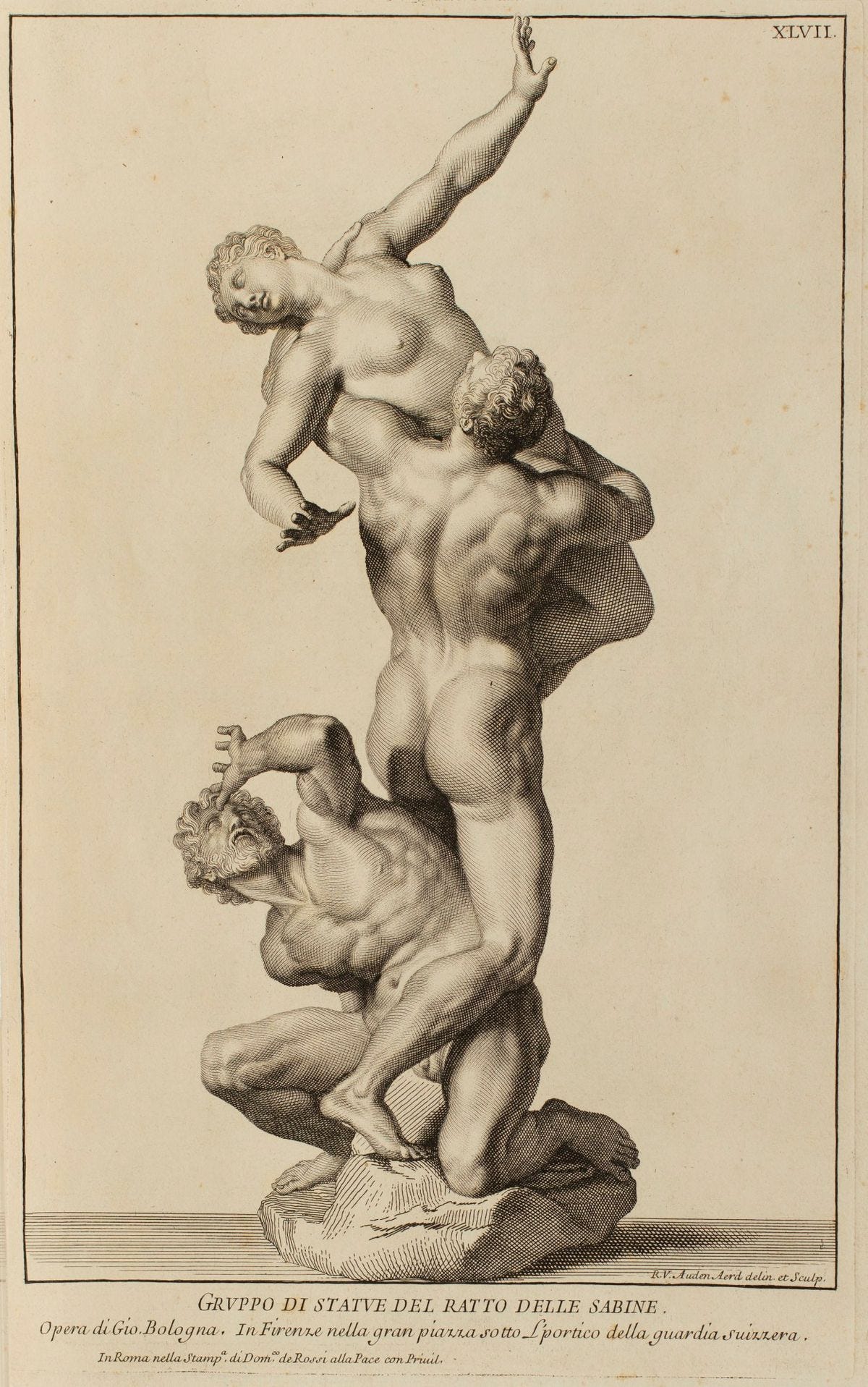
Because underlying the idea that privileged men make mistakes is also the idea that rape is a bad choice by a good man. When I read a judge suggest this, I often think of the Rape of the Sabine Women. In the founding of Rome, Romulus and Remus have a problem. They need women to bear the next generation. The nearby Sabines aren’t interested. Rather than transforming themselves, the Romans have a party for the women and rape them. Violence against women as the beginning of society should seem like a terrible start. Instead, many times the story is retold as forced marriage, a phrase that is a pretty way to describe a horrible way of finding a wife. This myth, though, describes how men see rape—an aberration.
Women know that the system is why sexual violence is underreported. The lived experience is that men who rape are often pretty rotten in general. But control doesn’t need to be just sexual. It can be emotional as well.
Recently, I wrote about Charlie Kirk and his army of red-pill white boys. Their violence against women is different than rape, but for the same reason. Women need to be objectified and forced to stay in their place in order for me to feel strong. But the rise of these types of online cultures is related to any violence against women. We’re in a long-standing system in which women’s rights are seen as a loss for men.
Except women have much more volition than ever before. Birth rates have dropped precipitously. Marriage is declining. Women are single by choice and creating fulfilling lives. Men are lonely by choice, and they feel lonely because they won’t change.
The 12 men involved in the Cornell rape case all represent the old order in which men can objectify and violate women. If men continue to keep that order up, they will be responsible for the society in which women continue to refuse to engage with them. The transformation of our system will only happen if men see the consequences in a system where they refuse to see women as equal. Reported loneliness rates will keep rising if men don’t change. Will the old adage change to, “women are worried they’ll have their feelings hurt, and men are worried we’ll kill them?”