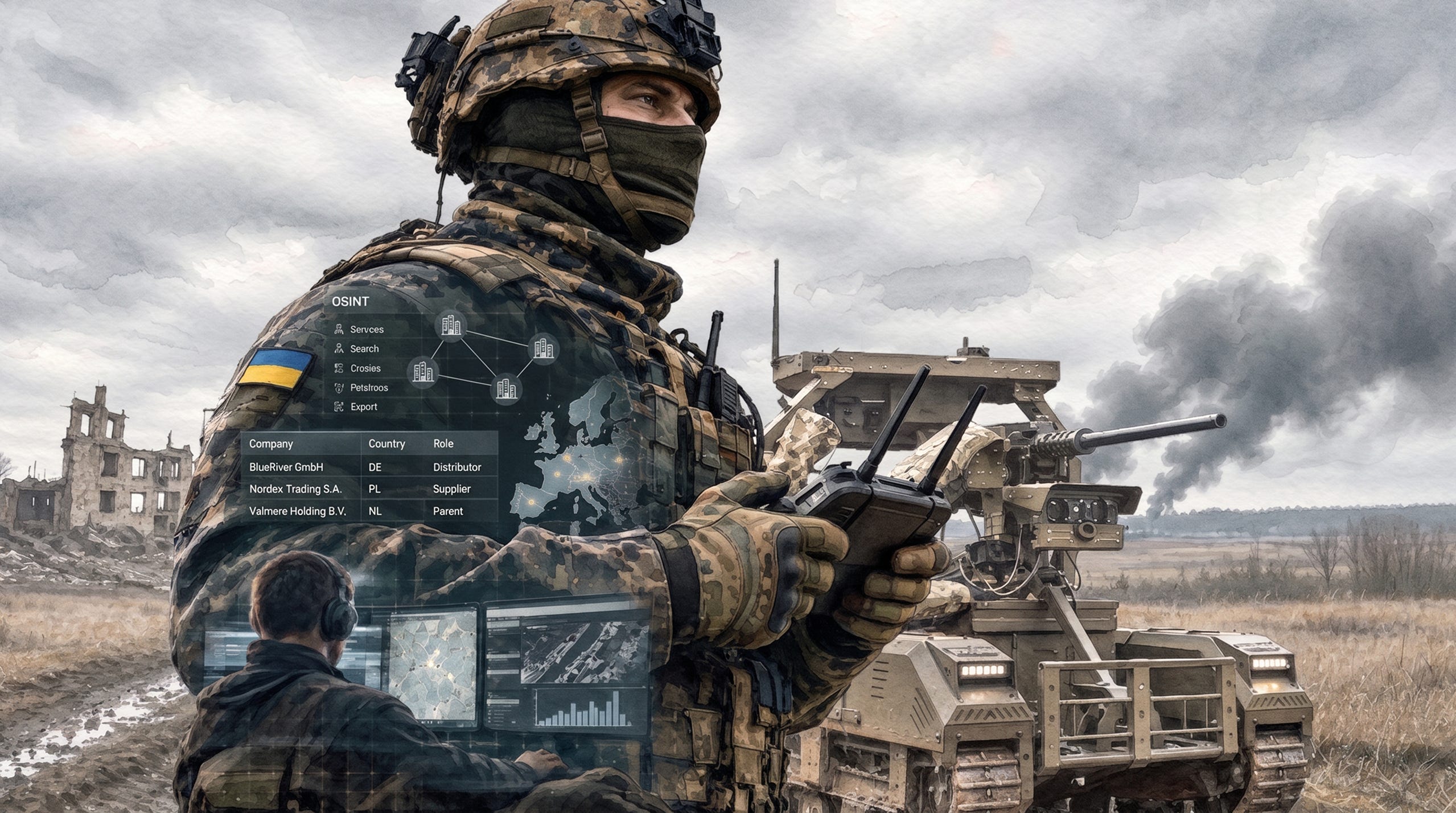
BERLIN—Drones, ballistic missile interceptors, and unmanned ground vehicles filled the exhibition at the Berlin Security Conference this month. Yet the most valuable thing many of those companies brought could not be put on a stand: what Ukrainian soldiers had taught them at the front. While ministers and generals debated who will defend Europe if America steps back, the manufacturers were answering a more practical question: what actually works.
We publish this newsletter every day at 9:05am NYC time / 4:05pm Kyiv.Your subscription fuels our work.
I spent 3–4 November at the conference, among politicians, military leaders, and defense manufacturers. The size of the exhibition showed a Western defense ecosystem that is still young but advancing fast. Established manufacturers appeared alongside newcomers, including dozens of startups from Lithuania, this year’s partner nation. The Baltic presence gave the industrial discussions a geographic context. For companies from countries bordering Russia or Belarus, the threat under discussion is close to home.
Taiwan’s delegation brought the perspective of another prospective battlefield.
Lithuanian President Gitanas Nausėda opened the conference. The program also brought together German Defense Minister Boris Pistorius and NATO Military Committee Chairman Admiral Giuseppe Cavo Dragone. Their presence placed the technology on display within a larger political discussion about who will provide Europe’s security and how much responsibility European governments will assume.
President Volodymyr Zelensky addressed that relationship in his message to the conference. He thanked America and Europe for their support and described the consequences of a diminished American role. In that scenario, European responsibility would grow, with Germany central to the response.