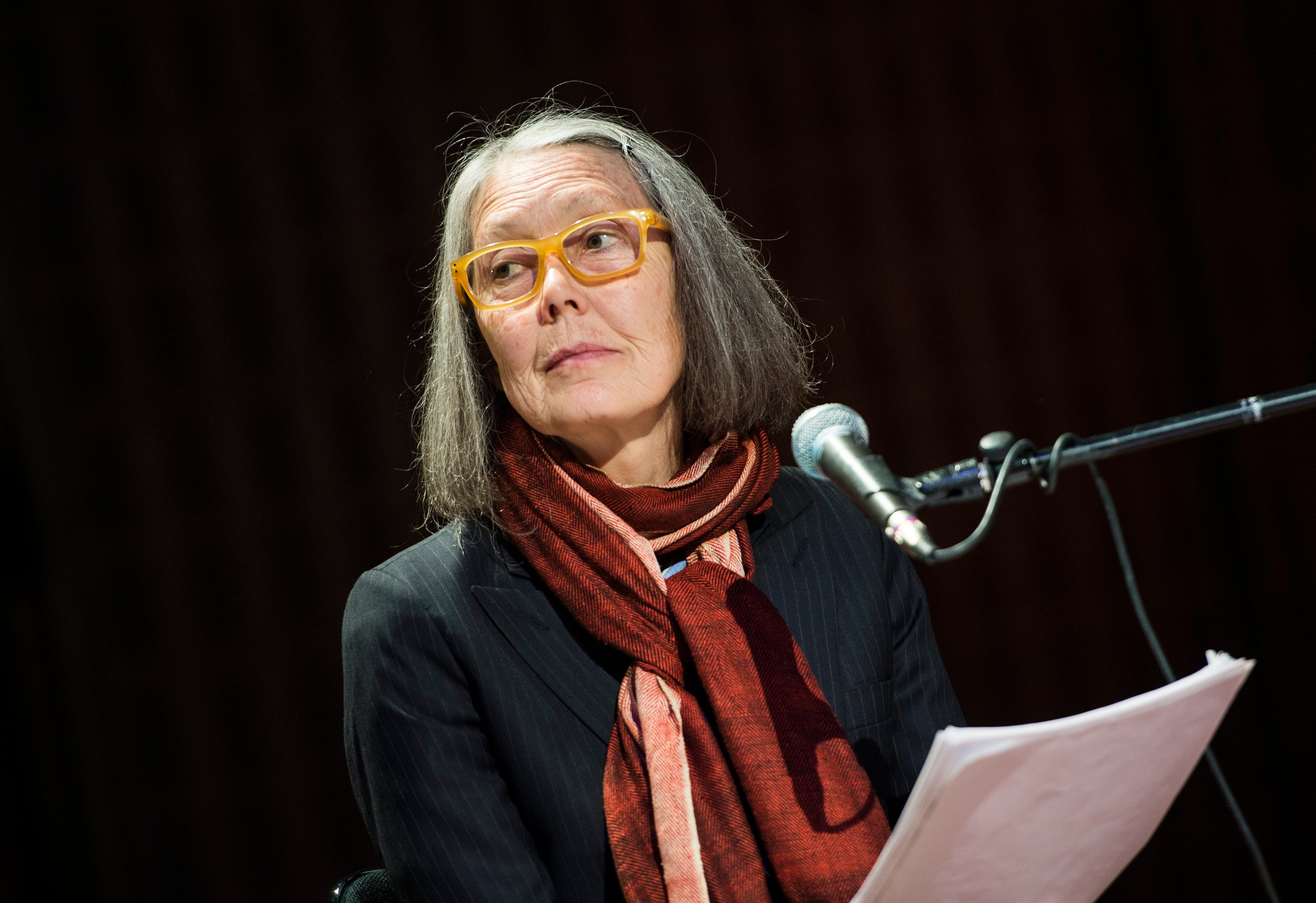
The Nobel Prize for Literature is awarded each year (with the exception of a few years in its 125-year history) to an author for something exceptional that they have given to the world through their writings. Poet and translator Ann Carson, who also teaches Ancient Greeks, for instance, was awarded the 2026 prize for her “bold and inventive oeuvre that in playful dialogue with classical tradition, has created new forms for contemporary literature”. Last year it was Hungarian novelist László Krasznahorkai who was awarded the Nobel for his “compelling and visionary oeuvre that, in the midst of apocalyptic terror, reaffirms the power of art.”
Since it was first instituted, the Nobel Prize winner of literature has never been highly popular or indeed, even a bestselling author. Some, like the 2021 winner Abdulrazak Gurnah, a Tanzanian writer, have been relatively unknown outside academic circles. Yet, their contribution to the world of ideas — shifting how we see the world, changing the language of our minds — is unmistakable.
Which is why it is surprising that some highly deserving authors did not receive a Nobel prize. I’ve deliberately restricted the list to dead authors — who, by virtue of being dead, are out of the running, as the prize is never awarded posthumously. Most readers will have a list. Here’s mine:
Born a count, died a peasant. Critiqued the Church and the state, but espoused the deeply humanistic values that underlie Christianity and other religions. More importantly, lived his life in accordance with his ideals. This made him not only a formidable thought leader of his own generation, but as a recent book shows, Mahatma Gandhi’s very own inspiration. Tolstoy’s works spanned philosophical treatises, novellas, short stories and large sagas. Gandhi, for instance, was deeply affected by The Kingdom of God is Within You (1894), in which Tolstoy espoused the idea of passive resistance or refusal to participate in the evil perpetrated by institutions of power, whether government or religious. His novels, War and Peace (1869) and Anna Karenina (1877) defined the form for generations of readers.
The Nobel prize is never awarded for a single work, but for an entire oeuvre. In Virginia Woolf’s case, each work is illuminating — the interior monologue of Mrs Dalloway (1925) and To the Lighthouse (1927), the feminist polemic of A Room of One’s Own (1929), the radical underpinnings of essays like Modern Fiction and Modern Biography (1919 and 1927) — and carried forward her literary work of printing avante-garde ideas and hosting writers, thinkers, artists and critics who sought to challenge established norms. Woolf was the very heart of modernism and helped shape its contours and much of its arguments.
David Cornwell, better known to the world as John le Carré. No one wrote about the moral vicissitudes and the absolute impossibility of distinguishing good from evil in post-War Britain and in the Cold War world of espionage and foreign diplomacy with greater conviction than le Carré, who himself served in the British foreign service. The trouble, of course, is that le Carré wrote popular fiction — worse, spy thrillers — which is still considered to be a lowly form of mass entertainment, and thus not serious enough to be considered literature. But anyone who has picked up a le Carré novel like The Spy Who Came in from the Cold (1963) or even later ones like A Legacy of Spies (2017) or Silverview (2021) will know that le Carré’s landscape has the potential to rewire one’s understanding of the world. The characters have no moral certitude; they live uneasily with compromises they make everyday; and yet, they uphold an international world order even as they recognise its inherent hollowness.
Le Guin wrote sagas that brought in other worlds, straddling high fantasy, science fiction, philosophy, young adult fiction, all of which left her out in the cold when it came to a canonical recognition of her contribution to literature. Yet, her popularity across ages should be an indication, if anything, of the sheer power in these worlds she created. Le Guin’s genius lay in the way she presaged some of the most pressing debates of our times through allegory and metaphor. For instance, in The Dispossessed (1974), she brings up a contrast between two different societies, one capitalist, the other its opposite, and shows the problems inherent in both. In The Left Hand of Darkness (1969), she writes about an androgynous race of protagonists. Le Guin typified the concerns of ecological feminism, where the destruction of a planet served as a metaphor of the destructive social systems we live within. But le Guin was anything but pessimistic. Her books opened up a world to help us reimagine our own.
Which dead author do you think deserved a Nobel prize? Write in and let me know.
Dhamini Ratnam is culture editor at Hindustan Times. Ways of Seeing is her fortnightly newsletter that takes you through only the most important cultural happenings you need to know of. You can write to her at dhamini.ratnam@htlive.com or comment on this newsletter below.
Thanks for reading Ways of Seeing! Subscribe for free to receive new posts and support my work.