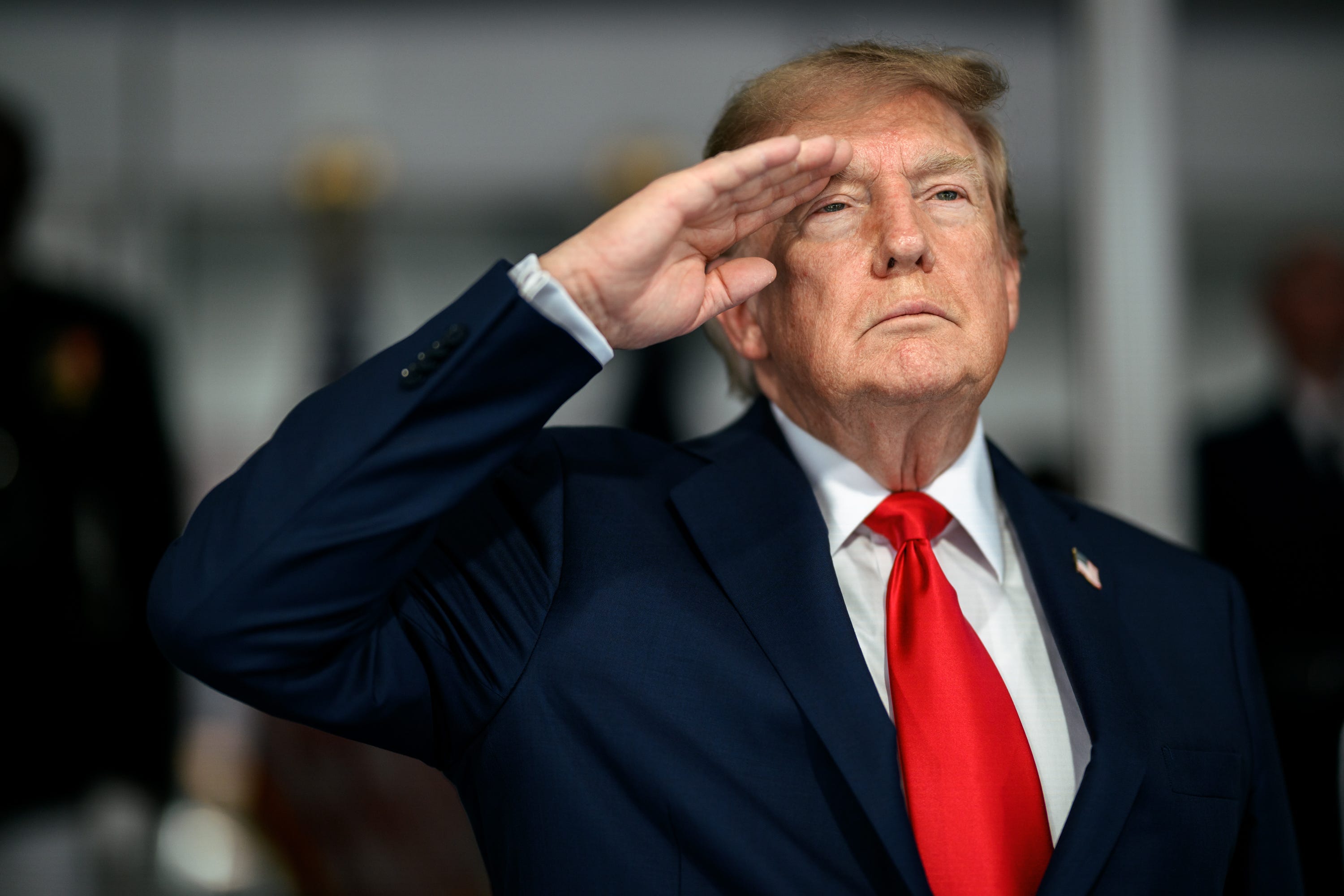
A U.S. Postal Service official has warned that a new ballot-mail system being developed to carry out President Trump’s March 31 executive order on citizenship verification and federal election administration was built on an unusually compressed timetable and could disrupt the delivery of large numbers of ballots ahead of the November midterm elections, according to a whistle-blower disclosure made public by Senator Richard Blumenthal of Connecticut and reported by The New York Times and The Associated Press.
Executive Order 14399, “Ensuring Citizenship Verification and Integrity in Federal Elections,” directed the Postal Service to develop new nationwide requirements for mail and absentee ballots used in federal elections. Among other provisions, it called for standardized Official Election Mail markings, automation-compatible envelopes and unique Intelligent Mail barcodes that allow individual pieces of mail to be tracked through the postal system.
To carry out those requirements, the Postal Service later adopted a final rule creating a Federal Ballot Mail Portal and requiring election officials to register with the system, upload voter information and comply with new envelope and barcode standards. Court records show that under the final rule, the Postal Service would not send outbound mail ballots to voters unless state or local election officials met requirements involving approved ballot envelopes, voter information and tracking barcodes.
The requirements quickly became the subject of litigation.
On Aug. 11, Judge Indira Talwani of the Federal District Court in Massachusetts issued a preliminary injunction barring the Postal Service from implementing portions of President Trump’s March 31 executive order for the November election and from completing the rulemaking needed to put its new ballot-mail requirements into effect.
Despite that injunction, the Postal Service completed the final rule implementing those ballot-mail requirements and sent it to the Office of the Federal Register on Aug. 21 with an immediate effective date and publication scheduled for Aug. 26, according to a later order from Judge Talwani.
On Aug. 24, 2026, the Supreme Court granted the government’s request to stay a separate July 7 injunction while the case was appealed. The Court concluded that the plaintiffs had lacked standing to challenge the executive order when they filed their lawsuit because it was still uncertain what final rule, if any, the Postal Service would ultimately adopt. The Court did not decide whether the Postal Service’s eventual final rule would be lawful.
On Aug. 25, Judge Talwani found that the defendants had violated her Aug. 11 injunction by completing the rulemaking, although she imposed no additional remedy.
Two days later, after the final rule had been published, Judge Talwani temporarily blocked several provisions governing the new ballot-mail system, including requirements involving the Federal Ballot Mail Portal, voter information, ballot envelopes and tracking barcodes. Her Aug. 27 order said the challengers were likely to succeed on claims that the Postal Service lacked authority to impose those requirements. She also found that states faced irreparable harm because complying with the new rules before the 2026 midterms was, as a practical matter, impossible.
The whistle-blower disclosure raised a separate concern. As reported by The New York Times and The Associated Press, the official alleged that development of the underlying computer system continued during periods when court orders restricted implementation.
One Person, One Vote is The Intellectualist’s democracy series on voting rights, political equality, representation, reform, minority rule, and the systems that determine whose voice counts.
It is for readers who want to understand how democratic power is changing before the consequences become impossible to ignore.
Membership gives you early access to major stories, deeper analysis before narratives harden, and premium reporting and essays designed to help you understand the forces shaping politics, institutions, technology, markets, and the future.
What Members Get
One Person, One Vote — democracy, voting rights, representation, reform, minority rule, and political equality.
Scandal — power, corruption, institutional failure, public betrayal, and accountability.
Reality Check — science, evidence, truth, falsehood, and what survives contact with reality.
History of the Present — the forces shaping the world now and the history behind them.
Thoughts & Ideas — Brian Daitzman on technology, civilization, democracy, power, and the future.
The Cost of Money — debt, interest rates, credit, currencies, inflation, and the price of trust.
Bits & Bytes — artificial intelligence, science, technology, and what comes next.
We are also building a private layer for members, including curated events, direct access, deeper briefings, and a closer connection to the editorial work as The Intellectualist grows.
The first 1,000 members will be permanently recognized as founding members.
Know earlier. Understand deeper.
Join now and get 33% off your first year. The first 1,000 members will be recognized as founders.