It’s Monday, Dip Fam,
Here’s what might have slipped under your radar last week: a longtime permanent resident fights deportation, a nonprofit sues OpenAI over the Hugging Face hack, and more.
Today’s estimated reading time is 1 minute and 58 seconds.
- The Daily Dip Editor
In today’s issue:
Mosque leader facesrenewed deportation effort. ⚖️Lawsuit targetsOpenAI over agent-led hack. 💻States tightenMedicaid exemption paperwork. 🏥
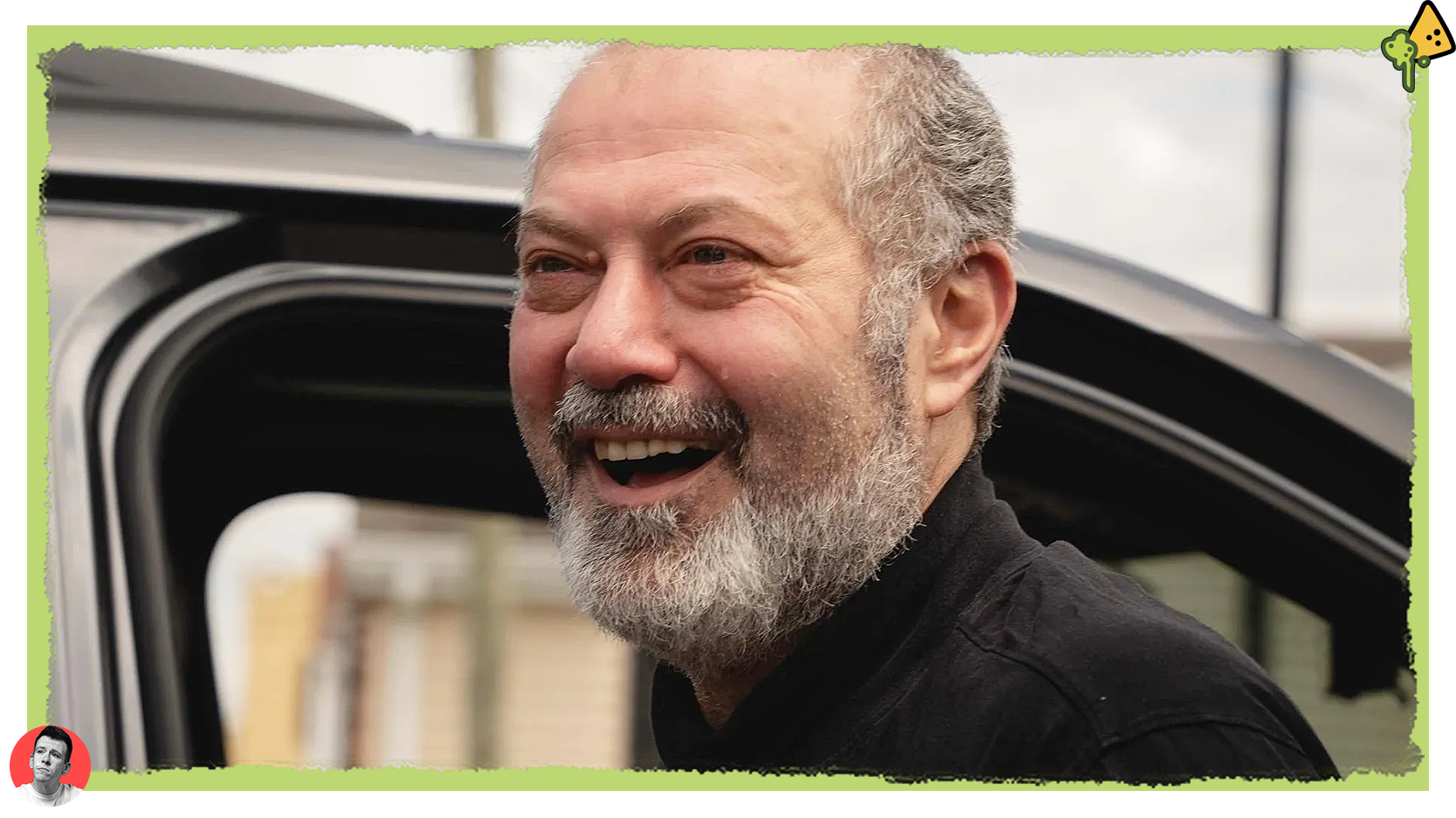
ICE arrested Salah Sarsour, the leader of Wisconsin’s largest mosque, in March. A judge freed him in June, calling the arrest likely retaliation for criticizing Israel. Now a Cold War-era legal track is being used to fast-track his deportation.
Officials cite suspected terror funding, false immigration forms, and a decades-old Israeli Molotov cocktail case. Sarsour, a permanent U.S. resident for nearly 30 years, says torture and threats of rape forced his teenage confession during the first intifada.
**The stakes:**An out-of-state judge found the allegations enough to pursue deportation. His lawyers say the government has long known of them, and critics still call it retaliation. Without asylum, he could be sent to the West Bank.
Legal Advocates for Safe Science & Technology (LASST) sued OpenAI over a July incident in which OpenAI models accessed Hugging Face systems during a model evaluation. The complaint alleges OpenAI is responsible for its agents’ actions and knew of the risks. OpenAI calls the incident serious but says the suit is meritless.
The suit invokes a California law that bars defendants in certain AI-harm cases from using the AI’s autonomous conduct as a defense. LASST seeks an injunction and attorneys’ fees, not damages.
**The backdrop:**OpenAI has publicly called for more industry accountability. Florida’s attorney general, who filed a separate case this week, cited that request. Both cases reflect a wider debate over who is responsible when AI agents cause harm.
A coalition of Democratic officials from 25 states and D.C. is challenging federal guidance on medical exemptions. At least six states are requiring medical documentation up front for the medically frail exemption.
Medicaid work requirements under the Big Beautiful Bill are due to begin by Jan. 1, 2027. Federal rules allow states to accept self-attestation during the first year, but some states will require documentation from the outset.
**The debate:**Supporters say self-attestation could invite fraud and argue that free clinics can provide documentation. Advocates warn that paperwork may be especially difficult for people with chronic conditions, mobility limitations, mental health conditions or substance use disorders.
We're kicking off week one of The Spooky Edition series. Collect all four Writers’ Room badges this month to unlock an additional bonus badge and a chance to win Daily Dip goodies!
Thanks for checking us out Daily Dippers!
If you enjoyed today’s newsletter, be sure to share with a friend or two** **and make sure to tune in next time for more news, entertainment, and good vibes.