Tech
Apple Silicon: A Successful Disruption
Meng Li · chippub
Oct 14, 2026 · 1 min listen · Last updated October 14, 2026
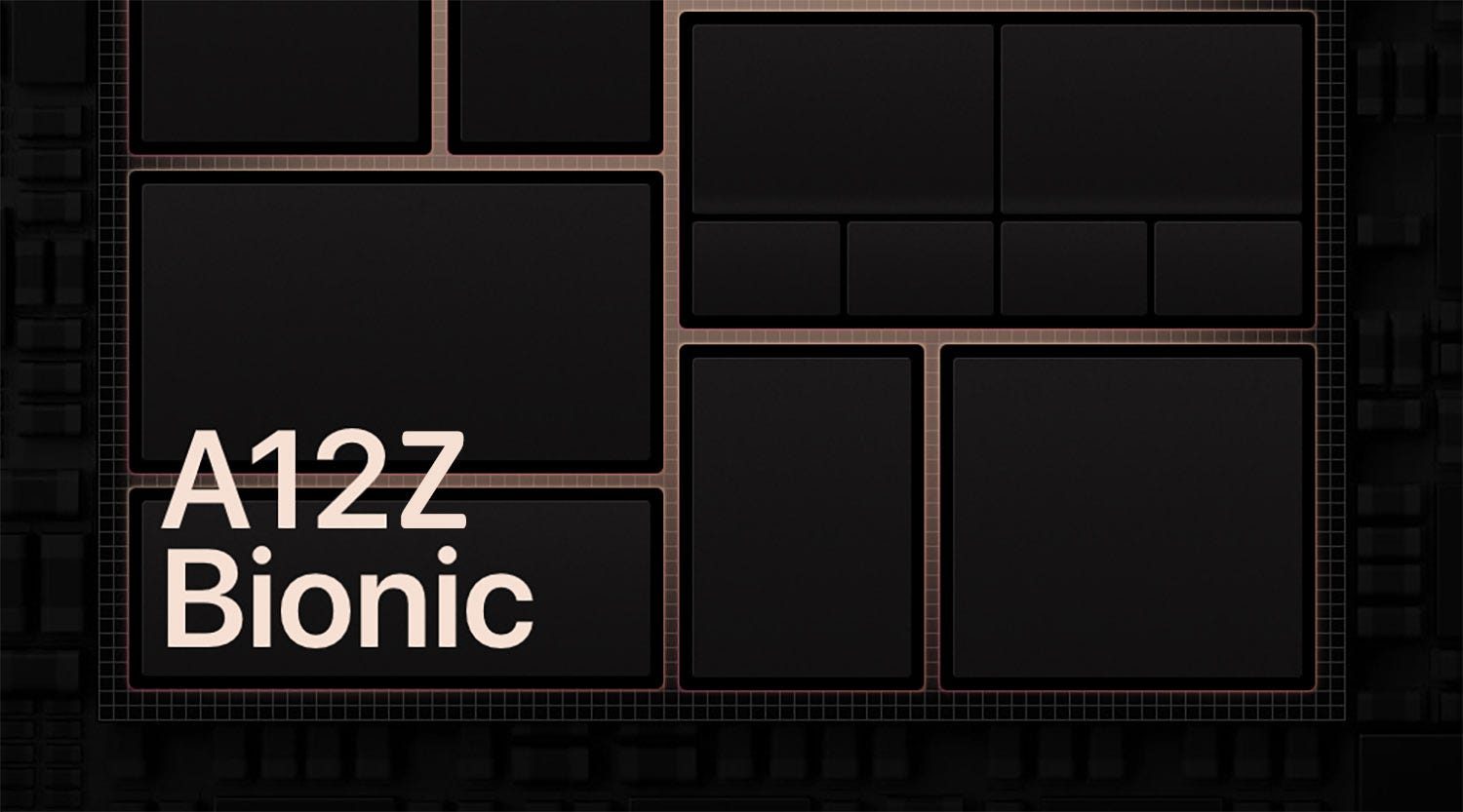
With the MacBook Neo, Apple’s A-series chips have made a full return to the Mac product lineup, completing a long journey from experimental devices to mature, finished products. The Apple Silicon era on the Mac platform began with an iPad chip, and now the MacBook Neo takes it one step further by adopting a chip originally designed for the iPhone.
Listen · chippub
Apple Silicon: A Successful Disruption
0:00-1:00
Pick your daily storyteller
Subscribe to match with Theo, Jessica, Chloe, Mason, Brock — your voice, every brief.
Live · Kokoro-82M